NDIS Home Modification Requirements for Cabinet Makers in Adelaide
Adelaide cabinet makers: learn NDIS home modification funding, registration, and compliance requirements to win more projects and serve participants effectively.
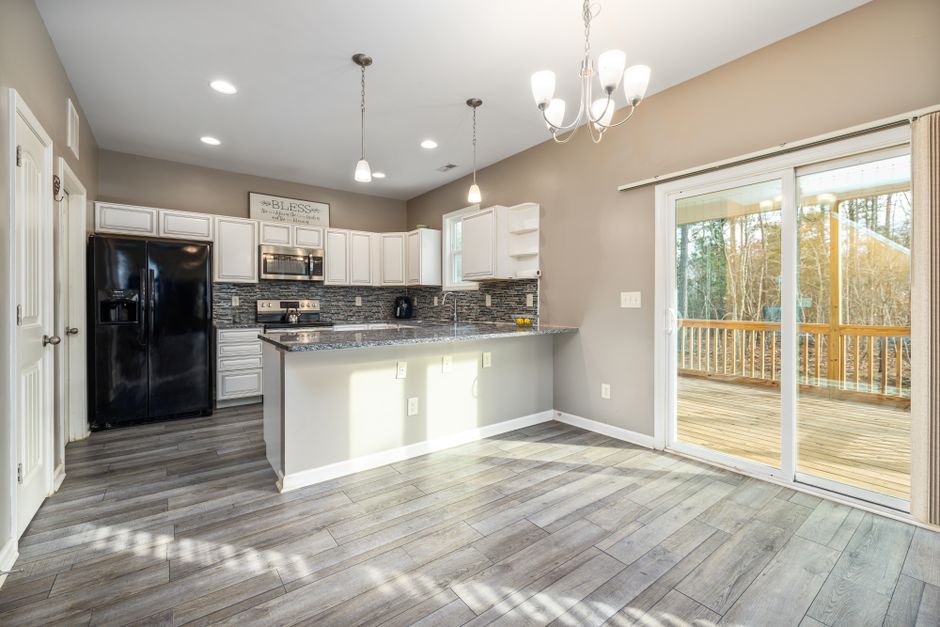
For cabinet makers in Adelaide working with NDIS participants, understanding how home modification funding is structured can make the difference between winning a project and missing out entirely. This guide breaks down what you need to know to work effectively within the NDIS framework and deliver compliant, high-quality modifications for clients who need them most.
Understanding NDIS Home Modification Funding Categories
The NDIS funds home modifications under the Capital Supports budget, specifically within the category known as Improved Liveability (Support Category 9) and Assistive Technology & Home Modifications (Support Category 5). It is important for cabinet makers to distinguish between these, as each has different approval pathways and documentation requirements.
Home modifications are generally split into two tiers based on complexity and cost:
- Minor modifications — typically under $20,000, these may include grab rail installation, accessible cabinet hardware, pull-out shelving systems, and lowered benchtops. These can sometimes be approved without a formal assessment from an Occupational Therapist (OT), though an OT report is still strongly recommended.
- Complex modifications — projects exceeding $20,000, such as full kitchen or bathroom cabinetry redesigns to meet wheelchair access standards, always require a detailed OT assessment and, in most cases, independent verification by a qualified building assessor.
For Adelaide-based cabinet makers, it is worth noting that the NDIS does not directly pay tradespeople in most cases. Funding flows through the participant's plan, managed either by the NDIS itself, a registered plan manager, or the participant directly. Understanding which management type your client has will determine how quotes are submitted and how invoices are processed.
Cabinet makers who register as NDIS registered providers can access a broader client base, particularly those on Agency-Managed plans, and signal to OTs and support coordinators that their work meets the scheme's quality and safety standards.
Registration and Compliance Requirements for Cabinet Makers Working Under the NDIS
For cabinet makers in Adelaide looking to carry out NDIS-funded home modifications, understanding the registration and compliance landscape is essential before taking on any funded work. The requirements exist to protect participants and ensure that all modifications meet a consistent standard of safety and accessibility.
Cabinet makers working on NDIS home modifications generally fall under the Assistive Technology and Home Modifications support category. Depending on the scope of work, providers may need to be registered with the NDIS Quality and Safeguards Commission. Here is a breakdown of the key compliance considerations:
- NDIS Provider Registration: Registered providers must meet the NDIS Practice Standards and undergo audits conducted by an approved quality auditor. Unregistered providers can still work with self-managed and plan-managed participants, but cannot deliver certain higher-risk modifications.
- State Building Licensing: Cabinet makers must hold a current South Australian building or trades licence where the scope of modifications triggers licensing obligations under the Building Work Contractors Act 1995.
- Relevant Qualifications: Formal cabinetmaking qualifications, such as a Certificate III in Cabinet Making, are typically expected and may be reviewed during compliance assessments.
- Insurance Requirements: Public liability insurance and, where applicable, contractor indemnity cover are non-negotiable for anyone undertaking NDIS-funded modification work.
- Compliance with Australian Standards: All modifications must align with AS 1428, the Australian Standard for accessible design, which governs clearances, reach ranges, and hardware specifications relevant to cabinetry.
At Brennan Cabinetry, our team understands what it means to work to a precise specification and a verified standard — it is the same discipline we apply to every custom kitchen and joinery project we build in our Sydney workshop. For Adelaide-based cabinet makers entering this space, getting compliance foundations right from the outset will make the difference between sustainable NDIS work and costly setbacks.
Working with NDIS Participants and Support Coordinators in Adelaide
For cabinet makers taking on NDIS-funded home modification projects in Adelaide, understanding the human side of the process is just as important as the technical requirements. Working directly with participants and their support coordinators requires clear communication, patience, and a genuine commitment to delivering outcomes that improve everyday independence.
Support coordinators play a central role in coordinating approved funding and connecting participants with the right tradespeople. As a cabinet maker, building a professional relationship with these coordinators can lead to ongoing referral work across Adelaide. They need confidence that you understand NDIS compliance requirements, can document your work correctly, and will show up reliably for vulnerable clients.
When meeting with participants themselves, keep the following in mind:
- Listen to functional needs first. A participant's lived experience of their disability will always be the most valuable guide to what modifications will actually help. Ask questions before presenting solutions.
- Involve occupational therapist recommendations. Most NDIS home modification quotes must align with an OT assessment. Obtain a copy before finalising your design or pricing.
- Use plain language. Avoid jargon when discussing timelines, materials, and processes. Participants should feel fully informed throughout the project.
- Be flexible with scheduling. Some participants require carer support during installation visits. Factor this into your planning and communicate lead times clearly.
- Document everything. NDIS audits require thorough records. Keep copies of quotes, approvals, and completion sign-offs for every job.
Custom cabinetry for NDIS clients in Adelaide is rarely a one-size-fits-all job. Whether it is a lowered kitchen bench, a pull-out pantry, or an accessible bathroom vanity, each modification must be designed around the specific participant. Cabinet makers who invest time in understanding participant needs — and communicate professionally with support coordinators — are far better positioned to build a strong reputation in this growing sector.
Quoting, Documentation and Approval Processes for NDIS Home Modifications
Getting the paperwork right is just as important as the craftsmanship itself when it comes to NDIS-funded cabinetry work. Adelaide cabinet makers working within the scheme need to follow a structured approval pathway before a single panel is cut or a hinge is fitted.
The typical process works like this:
- Occupational Therapist (OT) assessment: An NDIS-registered OT visits the participant's home, assesses their functional needs and prepares a Home Modification Report recommending specific changes — for example, lowered benchtops, pull-out shelving or accessible vanity configurations.
- Detailed written quote: The cabinet maker must provide an itemised quote that aligns precisely with the OT's recommendations. Vague or bundled pricing is routinely rejected by the NDIA, so every line item — materials, hardware, installation labour and any associated building work — must be broken out clearly.
- AT Codes and Support Catalogue alignment: Quotes must reference the correct Assistive Technology or Home Modification support category codes from the current NDIS Support Catalogue to ensure the claim is processed without delay.
- Plan Manager or Support Coordinator review: Once the quote is prepared, the participant's Plan Manager or Support Coordinator submits it to the NDIA for approval before any work is authorised to begin.
- Compliance documentation on completion: After installation, the cabinet maker is typically required to supply compliance certificates, photographs of the completed work and, where structural work was involved, a licensed builder's sign-off.
Because documentation requirements are detailed and exacting, it pays to engage a cabinet maker experienced in this process. Brennan Cabinetry's structured design and build process is built around clear, itemised fixed-price quotes — exactly the format NDIS planners expect. You can also request a free measure and quote to get accurate figures ready for your OT or Plan Manager from the outset.
Accessible Cabinet Design Standards and Practical Considerations
When designing NDIS-compliant cabinetry, Adelaide cabinet makers must work within a framework of recognised accessibility standards that directly influence every measurement, material choice, and hardware decision. The primary reference point is AS 1428.1 – Design for Access and Mobility, which sets out dimensional requirements that inform everything from bench heights to drawer clearances.
Here are the core practical considerations that should shape every accessible cabinet project:
- Bench heights: Standard kitchen benchtops sit around 900mm, but accessible designs typically require a lowered work surface between 750mm and 850mm to accommodate seated users and wheelchair users comfortably.
- Knee clearance: A minimum of 600mm depth and 680mm height of clear knee space beneath benchtops allows wheelchair users to pull in close and work without obstruction.
- Pull-out and soft-close drawers: Full-extension drawer runners ensure contents are fully accessible without awkward reaching. Soft-close mechanisms reduce the force required to operate them.
- D-pull and lever handles: Rounded D-pull handles are far easier to operate for participants with limited grip strength compared to knobs or recessed finger pulls.
- Overhead cabinet placement: Upper cabinets should be positioned no higher than 1200mm from floor level for seated reach, or replaced with pull-down shelf mechanisms where higher storage is unavoidable.
- Toe kick clearance: A deeper toe kick of at least 150mm high and 300mm deep allows wheelchair footrests to tuck underneath cabinetry safely.
Material selection also matters significantly. Smooth, easy-clean surfaces benefit participants with limited mobility who may need to wipe down benchtops frequently, while avoiding sharp edges and exposed hardware reduces injury risk. Working from detailed 3D drawings — something experienced custom cabinet makers build into their quoting process — helps NDIS planners, occupational therapists, and participants visualise and confirm these specifications before a single panel is cut.
Finding NDIS Work Opportunities as an Adelaide Cabinet Maker
Breaking into the NDIS home modifications market as an Adelaide cabinet maker requires a strategic approach, but the opportunities are genuinely substantial. With thousands of South Australian participants receiving funding for home modifications each year, tradespeople who position themselves correctly can build a reliable and rewarding stream of work alongside their residential and commercial projects.
Here are practical steps to get started:
- Register with the NDIS Commission: Depending on the scope of work you intend to undertake, you may need to register as an NDIS provider. Even if registration is not mandatory for your specific work type, it signals credibility to support coordinators and participants.
- Connect with local support coordinators: Support coordinators are the key gatekeepers for home modification referrals in Adelaide. Introduce your business directly, provide a clear outline of your capabilities, and demonstrate familiarity with NDIS compliance requirements.
- Partner with occupational therapists: OTs assess participants and write the modification reports that guide funding decisions. Building relationships with Adelaide-based OTs can put your name at the top of their recommended trades list.
- Obtain relevant certifications: Completing courses in disability awareness and home modifications not only improves your workmanship but also distinguishes you from competitors who lack formal credentials.
- Document your work thoroughly: NDIS projects require detailed quoting, photographic records, and compliance sign-off. Developing strong administrative systems from the outset protects both you and your clients.
Word of mouth spreads quickly within the disability support community, so delivering quality accessible cabinetry on your first few projects can generate consistent referrals over time.
Navigating NDIS home modification requirements demands careful attention to compliance, accessible design principles, and collaborative working relationships — but for cabinet makers willing to invest that effort, it opens a meaningful and growing sector of work. Whether you are in Adelaide or operating from a custom workshop like those found across Sydney's cabinetry industry, understanding these standards positions your business as a trusted partner in genuinely improving people's lives at home.
Written by
Daniel Brennan
Founder & Master Cabinet Maker
Daniel Brennan grew up around tools and timber — his father ran a small joinery shop in Sydney’s inner west, and Daniel spent his school holidays sweeping the workshop floor and learning how a cabinet actually goes together. He completed his Certificate III in Cabinet Making as an apprentice and spent the next decade working across high-end residential kitchens and commercial shopfitting, learning both the craft of fine joinery and the discipline of building to a program and a budget. By the time he was thirty he had run projects for some of Sydney’s busiest fit-out firms, and he had formed a clear view about what was missing in the trade: too many companies sold a kitchen, sub-contracted the build, and were nowhere to be found when something needed adjusting.
More about Daniel