How to Design a Dedicated Fragrance Drawer in a Walk-In Robe or Vanity
Protect your perfume collection with the right fragrance drawer design, covering heat, light, humidity, ventilation, joinery materials and lighting.
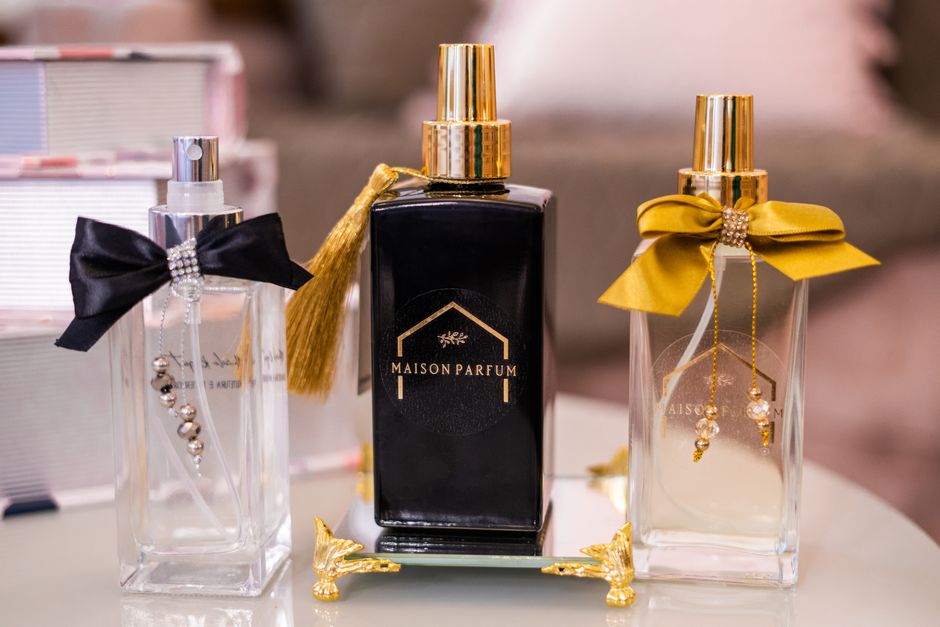
Whether you collect rare designer bottles or blend your own scents at home using resources like scentformulas.com, one thing is certain: the cabinetry around your fragrance collection matters far more than most people realise. This article walks through everything you need to consider when designing a dedicated fragrance drawer or storage zone within a walk-in robe or vanity, from the science of preservation to joinery materials and lighting choices.
Why Perfume Needs Its Own Space: Heat, Light and Humidity Explained
Perfume is essentially a carefully balanced chemical formula suspended in alcohol and carrier oils. That balance is surprisingly fragile. Three environmental factors (heat, light and humidity) are the primary culprits behind a fragrance that gradually shifts, sours or simply fades well before its time.
Heat accelerates the oxidation of aromatic compounds. Bathrooms, sunny bedrooms and spaces near ducted heating vents can easily reach temperatures that degrade top notes within months. A consistently cool environment, ideally between 15°C and 20°C, is what fragrance chemists recommend for long-term storage.
Light: particularly UV light, breaks down the molecular bonds in both natural and synthetic fragrance materials. Even diffuse daylight through a window is enough to discolour a bottle's contents over time. This is why serious collectors and home blenders, many of whom follow formulas published on platforms like scentformulas.com, store their work completely away from any light source.
Humidity is the less obvious threat. Moisture in the air can work its way past a bottle's seal, especially on older or decorative flacons, encouraging microbial growth and altering the fragrance's character. The bathroom vanity, despite its visual appeal as a display spot, is arguably the worst possible location for anything you want to preserve.
- Ideal temperature: 15–20°C, stable year-round
- Light exposure: zero UV, minimal ambient light
- Humidity: low and consistent, away from steam sources
Getting these conditions right starts with where and how your cabinetry is designed, which is exactly where custom joinery makes a genuine difference.
Designing the Dedicated Fragrance Drawer: Layout, Ventilation and Joinery Materials
Once you understand why fragrance needs protection (from heat, humidity and UV exposure) the next question becomes a practical one: how do you actually build a drawer that delivers those conditions reliably? Whether you're storing a curated collection or working through formulas from a resource like scentformulas.com, the physical environment you create in your joinery will determine whether your bottles and raw materials remain stable for months or degrade within weeks.
Drawer Depth, Dividers and Bottle Orientation
A dedicated fragrance drawer should sit between 120mm and 180mm deep, shallow enough to prevent bottles stacking but generous enough to accommodate tall flacons upright. Custom-routed timber inserts or removable acrylic dividers keep bottles separated, eliminating the friction and tipping that causes atomiser damage. For home blenders storing dropper bottles and dilution vials alongside finished fragrances, a two-tier pull-out system works particularly well, with the lower tier reserved for larger bottles and the upper slide-out tray holding smaller raw materials.
Joinery Materials That Won't Off-Gas onto Your Collection
Material selection matters more than most clients expect. Standard MDF and particleboard emit formaldehyde and VOCs that can interact with fragrance molecules over time, particularly problematic for anyone storing open test strips or uncapped vials. At Brennan Cabinetry, we recommend:
- Solid timber drawer boxes: particularly sustainably sourced hardwoods with low natural resin content
- Low-emission board substrates: E0 or E1 rated, with polyurethane or two-pack finishes fully cured before installation
- Unlined or linen-lined interiors: avoiding synthetic foam inserts that trap moisture
Passive Ventilation Within the Drawer
A completely sealed drawer encourages humidity build-up. Small routed channels at the rear of the drawer box, aligned with the carcass ventilation gap, allow slow passive air exchange without exposing contents to sudden temperature swings, keeping conditions stable rather than stagnant.
Lighting Choices That Protect Your Collection (and Show It Off)
If you've invested in quality fragrances, or you're working from formulas sourced through a resource like scentformulas.com to blend your own signature scents: you already know that UV exposure is one of the fastest ways to degrade a fragrance's top notes and alter its character. Lighting inside your fragrance drawer or display cabinet needs to balance two competing goals: preserving the juice and making your collection genuinely beautiful to look at.
The solution almost every serious collector lands on is warm-toned LED strip lighting, specifically LEDs rated at 2700K to 3000K with a UV output of effectively zero. Unlike halogen or incandescent globes, quality LEDs produce almost no infrared heat at the point of emission, which means bottles sitting close to the light source won't experience the slow thermal stress that breaks down fragrance compounds over time.
When we design fragrance drawers and open display niches at Brennan Cabinetry, we typically recommend:
- Recessed LED strip under each shelf lip: light washes down across bottle labels without shining directly into the liquid
- Dimmer-switch integration: so ambient light levels drop when the drawer is closed or the room is in use
- Motion-activated switching: lights on only when the drawer is open, eliminating unnecessary cumulative exposure
- Back-panel accent lighting: a subtle glow behind dark-glass or fluted panel backs that makes the display feel gallery-like without adding heat
Frosted or smoked glass drawer fronts offer an additional layer of passive UV diffusion when the collection is on show in a walk-in robe rather than tucked away. You can see how Brennan Cabinetry handles these finishing details across a range of bespoke joinery projects in our project gallery, the same considered approach applied to kitchens and wardrobes translates directly into a fragrance display worth showing off.
Storage Logic for Collectors vs. Blenders Using scentformulas.com Formulas
Not every fragrance enthusiast needs the same drawer layout, and this is where bespoke joinery genuinely earns its keep. A collector and a home blender have fundamentally different storage demands, and a good cabinetmaker will design around those differences from the first consultation.
The Collector's Priority: Display, Rotation and Protection
Collectors typically accumulate bottles across houses, flankers and limited editions, pieces with real monetary and sentimental value. For these clients, the drawer brief centres on:
- Individual bottle recesses lined with suede or felt, preventing contact between flacons
- Shallow, tiered pull-outs so every bottle is visible without rummaging
- A lockable section for high-value or vintage acquisitions
- Labelled compartments organised by fragrance family, florals separate from orientals, woods from aquatics
Depth matters here. Collectors rarely need mixing space; they need a layout that honours each bottle as an object.
The Blender's Priority: Workflow, Access and Material Storage
Home blenders, particularly those working from purchased designer fragrance formulas, operate more like a small studio than a gallery. Someone following a cedar-and-oud build from the Perfumery Journal needs materials within reach in a logical sequence. Their drawer brief looks quite different:
- Wider, deeper compartments for raw material bottles, pipettes and measuring tools
- A flat, pull-out work ledge at the front of the drawer bank for active blending sessions
- Small-format inserts for sample vials, decants and test strips
- Dedicated space for printed or laminated formula sheets
Many blenders maintain both finished bottles and raw materials, so a two-drawer configuration (one for ingredients, one for completed work) is often the most practical solution Brennan Cabinetry can build into a walk-in robe or vanity alcove.
Integrating the Fragrance Drawer Into a Walk-In Robe or Vanity Build
Whether you are housing a curated bottle collection or working through formulas sourced from a resource like scentformulas.com, the fragrance drawer is not an afterthought: it is a precision component that deserves the same planning as any other part of your joinery brief. Getting the integration right from the start means your cabinetmaker can spec the correct materials, ventilation paths and lighting circuits before a single panel is cut.
- Position within the run: Locate the fragrance drawer at mid-height, away from the floor (where humidity pools) and away from the top of the cabinet stack (where heat from lighting accumulates). A dedicated pull-out between two fixed shelves is the most stable configuration.
- Custom insert sizing: Bring your largest bottles to the design consultation. Brennan Cabinetry builds drawer inserts to measure, so a 200 ml statement flacon sits as securely as a 30 ml decant, no rattling, no tipping.
- Ventilation integration: If the robe or vanity cabinet is being built with a passive vent slot at the rear panel, confirm it is routed away from any direct airflow that could accelerate evaporation through poorly sealed bottles.
- Lighting circuit planning: Low-heat LED strip lighting should be wired on its own dimmer, independent of the main robe lighting, so you can illuminate the drawer without warming the interior unnecessarily.
- Handover checklist: Before installation is complete, test drawer slides for smooth, level action, any binding puts lateral stress on glass bottles over time.
Every one of these details is easier to resolve at the design stage than after cabinetry is fixed to the wall, which is why Brennan Cabinetry's free measure and 3D visualisation process is the natural starting point for a build this considered.
From choosing joinery materials that won't off-gas onto your collection, to positioning LED lighting that flatters without harming, a well-designed fragrance drawer brings together every principle covered in this article (environmental control, material selection and purposeful illumination) into a single, beautifully functional piece of custom cabinetry.
Written by
Daniel Brennan
Founder & Master Cabinet Maker
Daniel Brennan grew up around tools and timber. His father ran a small joinery shop in Sydney’s inner west, and Daniel spent his school holidays sweeping the workshop floor and learning how a cabinet actually goes together. He completed his Certificate III in Cabinet Making as an apprentice and spent the next decade working across high-end residential kitchens and commercial shopfitting, learning both the craft of fine joinery and the discipline of building to a program and a budget. By the time he was thirty he had run projects for some of Sydney’s busiest fit-out firms, and he had formed a clear view about what was missing in the trade: too many companies sold a kitchen, sub-contracted the build, and were nowhere to be found when something needed adjusting.
More about Daniel