How Adelaide Cabinet Makers Are Building a Growth Path Through NDIS: From Accessible Fittings to Acquiring an Established NDIS Business
Adelaide cabinet makers and home-modification trades are tapping NDIS demand — discover how to grow from first job to buying an NDIS business for sale Adelaide.
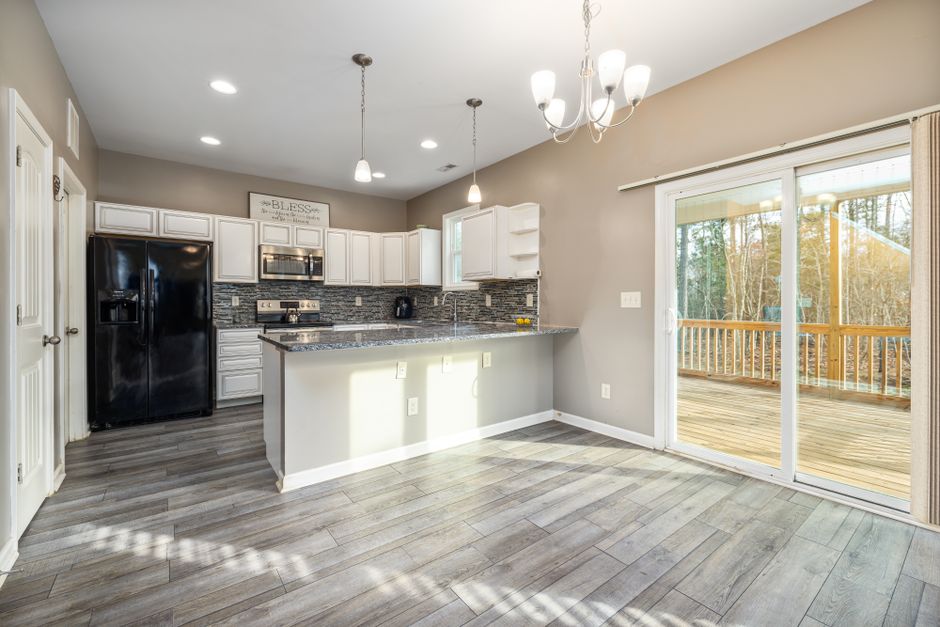
For Adelaide cabinet makers and home-modification tradespeople, the NDIS has quietly opened one of the most consistent revenue streams in the building industry — and a growing number of experienced tradies are now exploring everything from their first NDIS job through to acquiring an NDIS business for sale Adelaide and stepping up as a full-service provider.
Why Cabinet Makers and Home-Modification Trades Are Turning to NDIS Work in Adelaide
The National Disability Insurance Scheme, rolled out nationally following landmark disability-reform groundwork laid during the Julia Gillard government era, now funds billions of dollars in supports across Australia every year. In South Australia alone, tens of thousands of participants have active plans — and a significant proportion of those plans include funding for home modifications: think grab rails, lowered benchtops, roll-under vanities, and fully accessible bathroom and kitchen fitouts.
For a skilled cabinet maker or joiner, that demand map looks very familiar. The same craftsmanship that goes into a custom kitchen renovation translates directly into:
- Accessible kitchen cabinetry — lowered benchtops, pull-out drawers, and lever-handle hardware for wheelchair users
- Bathroom vanity modifications — open under-sink clearances, slip-resistant surfaces, and height-adjustable fittings
- Doorway and threshold joinery — widened frames and recessed tracks that meet accessibility standards
Beyond individual job opportunities, Adelaide's NDIS market has matured enough that established providers are now regularly listed for sale — giving experienced tradespeople a faster path into a fully operational, participant-backed business rather than starting from scratch. Whether you're scoping out your first NDIS referral or seriously researching an NDIS business for sale Adelaide, understanding why this sector is attracting trades businesses is the essential first step.
From Supplying Accessible Fittings to Becoming a Registered NDIS Provider — and Why an NDIS Business for Sale Adelaide Could Accelerate the Journey
For cabinet makers and home-modification trades in South Australia, the path into the NDIS rarely starts with a grand plan. It usually begins with a single job — a grab rail here, a lowered benchtop there — and a growing realisation that demand from participants and their support coordinators is consistent, well-funded, and genuinely meaningful work. The question that follows is almost inevitable: how do you move from occasional supplier to a structured, registered provider who can capture a much larger share of that demand?
There are broadly two routes:
- Build registration from scratch — work through the NDIS Commission's audit and registration process, develop your policies and procedures, and grow a participant base over time. This can take twelve to eighteen months before meaningful revenue flows.
- Acquire an established operation — purchase a registered NDIS business that already holds participants, staff, and approved supports, then integrate your cabinetry and home-modification capability into an existing revenue base.
The second option is attracting serious attention from SA tradespeople right now. Listings for an NDIS business for sale Adelaide range from small sole-operator setups to well-established providers carrying sixty or more active participants. Prices vary accordingly, but buyers are typically acquiring something the organic route cannot fast-track: an existing NDIS registration, a proven billing history, and relationships with local support coordinators who are already sending referrals.
For a cabinet maker who already understands accessible design — bench heights, wet-area modifications, lever hardware, wider circulation corridors — stepping into an established NDIS provider removes the longest bottleneck in the growth story. The trade skills are there. The regulatory infrastructure, participant pipeline, and cash flow simply arrive with the acquisition rather than being built painfully from nothing.
Is an NDIS Business Profitable Enough to Justify the Leap?
If you've been researching an NDIS business for sale in Adelaide, one of the first questions you're probably asking is whether the numbers actually stack up. It's a fair question — and the honest answer is that profitability varies considerably depending on the service mix, participant numbers, and how efficiently the business is run. That said, well-established NDIS businesses in South Australia routinely attract serious buyer interest precisely because the recurring revenue model is genuinely attractive.
What Do NDIS Businesses Actually Earn?
Owners of mid-sized NDIS operations — think 40 to 80 registered participants — can generate strong annual turnover, particularly when services span both support coordination and home modifications. The home-modification segment is especially relevant here: because NDIS funding for Assistive Technology and Specialist Disability Accommodation is indexed and predictable, tradespeople and cabinet makers who lock in provider registration can forecast forward revenue in a way that standard residential renovation work simply doesn't allow.
- Recurring income: Participants often require ongoing modifications, maintenance, and upgrades — not just a single job.
- Price certainty: The NDIS Support Catalogue sets maximum claimable rates, reducing the need to negotiate every quote from scratch.
- Valuation multiples: Established NDIS businesses in SA are typically valued on an EBITDA multiple, and listings with 60-plus active participants command premium prices because the participant base represents contracted, ongoing work.
How Much Do NDIS Businesses Sell For?
Sale prices vary widely — from under $200,000 for smaller sole-operator setups through to well over $1 million for full-service registered providers with strong participant rosters. For a cabinet maker or home-modification trade business already operating in Adelaide, acquiring an existing NDIS business offers something difficult to build from scratch: an established participant base, existing NDIS registration, and proven systems already aligned to the NDIS Quality and Safeguards Commission's requirements.
What to Expect When You Find an NDIS Business for Sale Adelaide
If you've been searching for an NDIS business for sale Adelaide, you'll quickly notice the market spans a wide range of opportunities — from small sole-trader operations with a handful of participants through to well-established providers supporting 50 or more funded individuals across multiple support categories. Understanding what you're actually buying is the critical first step before any money changes hands.
Key Things to Scrutinise in Any Listing
- Participant numbers and plan values: A listing quoting "67 active participants" means very little without reviewing the underlying NDIS plan budgets and how much of each budget is realistically allocated to your service category.
- Registration group coverage: NDIS providers can be registered for specific support categories. Check which registration groups the business holds — and whether those align with the home-modification and assistive-technology categories relevant to cabinetry and building trades.
- Revenue quality: Recurring, plan-managed income is far more predictable than one-off quotes. Ask for at least 24 months of invoicing history.
- Staff and subcontractor agreements: Many Adelaide NDIS businesses rely on a small network of tradespeople. If you're already running a joinery or fit-out operation — the kind of commercial cabinetry and fit-out work that underpins a scalable trade business — those relationships may transfer smoothly.
- NDIS Quality and Safeguards Commission compliance: Confirm the business has a current, clean audit history and no outstanding compliance actions.
What Do NDIS Businesses Actually Sell For?
Prices in the South Australian market typically range from around $80,000 for micro-operators up to $600,000 or more for profitable, multi-staff providers. Valuations are generally based on a multiple of adjusted EBITDA — commonly two to three times for smaller businesses. If you're curious how a trade background translates into this space, our blog explores how skilled tradespeople are positioning themselves as credible NDIS providers from day one.
How Much Do NDIS Businesses Sell For — and What Drives the Price?
For Adelaide cabinet makers eyeing a bigger slice of the NDIS market, understanding acquisition pricing is essential before making any move. The short answer is: valuations vary enormously, but the underlying drivers are consistent and learnable. If you've been searching for an NDIS business for sale in Adelaide, you'll notice listings range from modest operations turning over a few hundred thousand dollars annually, right through to established providers generating well over a million dollars in revenue.
Several key factors determine where a business lands on that spectrum:
- Participant numbers and plan stability — A registered provider with 50–70 active participants under ongoing NDIS plans is significantly more attractive than one relying on short-term referrals. A well-established Adelaide NDIS business currently on the market illustrates this well: 67 participants and $1.3M in revenue commands genuine buyer interest precisely because the income base is diversified and recurring.
- NDIS registration status — Registered providers can deliver higher-risk supports and access a broader participant pool, which lifts the multiple buyers are willing to pay.
- Staff and operational systems — A business that runs without the owner in the room every day sells for more. Documented processes, trained support workers, and solid compliance records all add value.
- Service mix — Providers offering both daily living supports and home-modification services — including accessible kitchen and bathroom fittings — tend to achieve stronger multiples because they're harder to replicate quickly.
As a rule of thumb, profitable NDIS businesses in South Australia typically sell for two to three times adjusted annual profit, though high-growth providers with strong participant retention can attract higher offers. For a cabinetry business already delivering accessible fitouts, an acquisition can be a natural next step rather than a leap into the unknown.
Steps for Trades-Background Buyers to Transition Into a Full-Service NDIS Operation
For cabinet makers and home-modification tradespeople eyeing an NDIS business for sale Adelaide, the transition from hands-on tradesperson to registered provider is absolutely achievable — but it rewards those who plan the steps deliberately rather than rushing straight to settlement.
- Get your NDIS registration in order first. Understand which registration groups apply to your intended services. Home modifications sit under a different group to supported independent living or support coordination, so clarify your scope before you make an offer on any business.
- Engage a sector-specialist broker or adviser. NDIS businesses are valued differently from standard trade businesses — recurring participant rosters, plan-managed revenue streams and staff qualifications all affect price. Knowing how much an established SA operation typically sells for (often a multiple of adjusted EBITDA, ranging from $300K to well over $1M depending on participant numbers) helps you negotiate with confidence.
- Audit the participant register carefully. An established Adelaide NDIS business carrying 50–70 active participants represents genuine recurring revenue, but only if those participants are on long-term plans and satisfied with their support workers. Request plan expiry dates and staff retention figures before exchanging contracts.
- Retain experienced support coordinators during handover. Your trades expertise is a serious asset in the home-modifications space, but participant relationships depend on people, not just skills. A structured handover period — typically 90 days minimum — protects continuity of care and revenue.
- Layer your trade capability on top progressively. Start by stabilising the existing service delivery, then introduce your accessible-fitout and modification offering as an additional revenue stream, cross-referring participants who need bathroom grab rails, wider doorways or custom kitchen adaptations.
Adelaide's NDIS market rewards patient, methodical builders — both literally and figuratively. The tradespeople who approach acquisition with the same precision they apply to a custom cabinet job are the ones who build something genuinely durable.
From measuring up an accessible bathroom in suburban Adelaide to acquiring a registered NDIS operation and growing it into a full-service provider, the path is clearer than it once was. Cabinet makers and home-modification specialists already possess the technical foundation that sets them apart in this sector. Pair that with sound commercial advice, careful due diligence, and a willingness to learn the compliance landscape, and what starts as a conversation about grab rails and roll-under benchtops can evolve into a business that meaningfully improves lives — and rewards its owner for doing so.
Written by
Daniel Brennan
Founder & Master Cabinet Maker
Daniel Brennan grew up around tools and timber — his father ran a small joinery shop in Sydney’s inner west, and Daniel spent his school holidays sweeping the workshop floor and learning how a cabinet actually goes together. He completed his Certificate III in Cabinet Making as an apprentice and spent the next decade working across high-end residential kitchens and commercial shopfitting, learning both the craft of fine joinery and the discipline of building to a program and a budget. By the time he was thirty he had run projects for some of Sydney’s busiest fit-out firms, and he had formed a clear view about what was missing in the trade: too many companies sold a kitchen, sub-contracted the build, and were nowhere to be found when something needed adjusting.
More about Daniel